
RE:PROGRAMMING WOOD at MILAN DESIGN WEEK 2026
re:programming wood
Material Circulation through Data and Machines
Milan Design Week 2026
April 19-26th 2026
Dropcity - Centre for Architecture and Design
Via Giovanni Battista Sammartini, 58
Exhibition: Tunnel 58
Workshop: Tunnel 60
ABOUT THE EXHIBITION
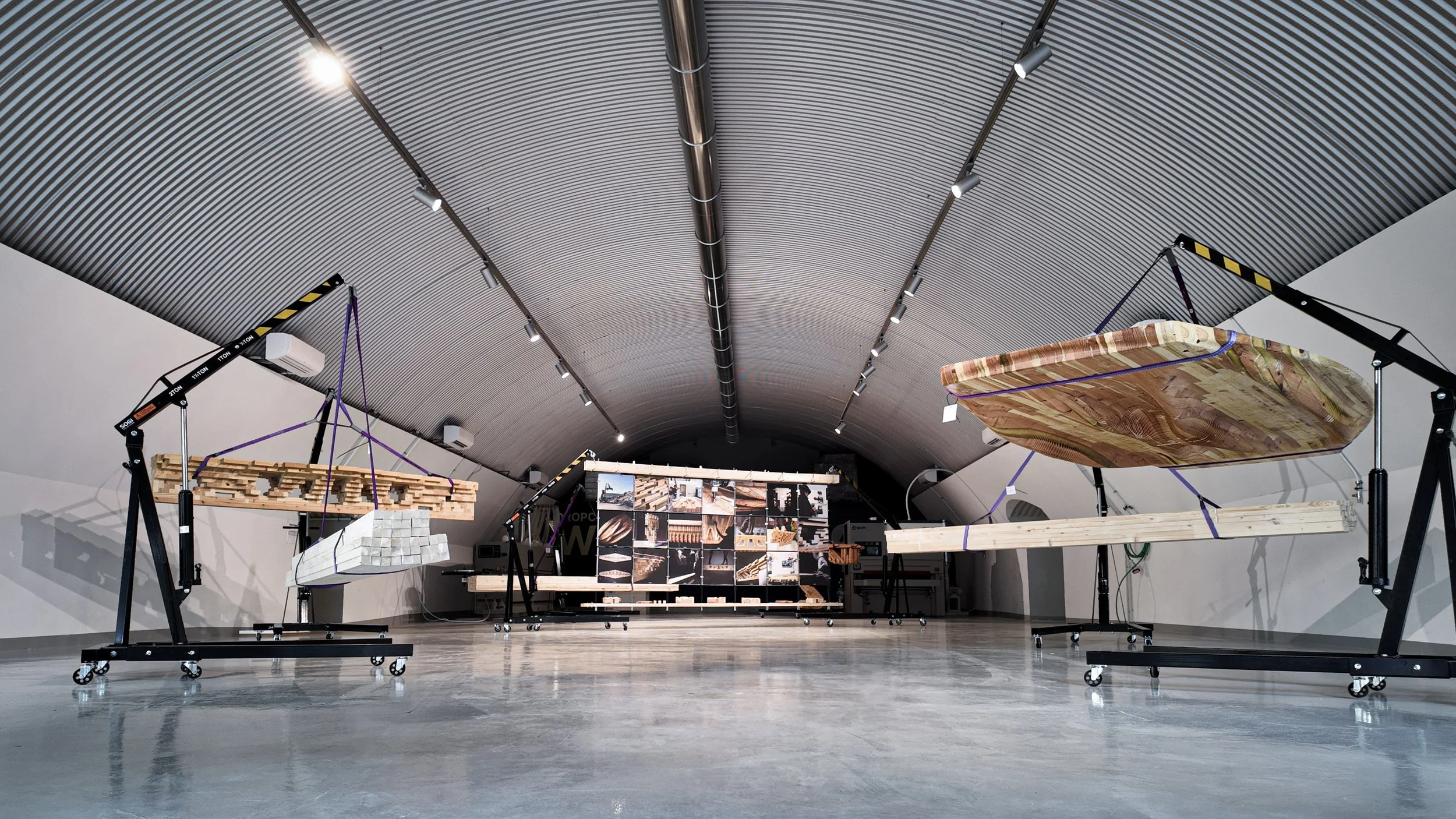
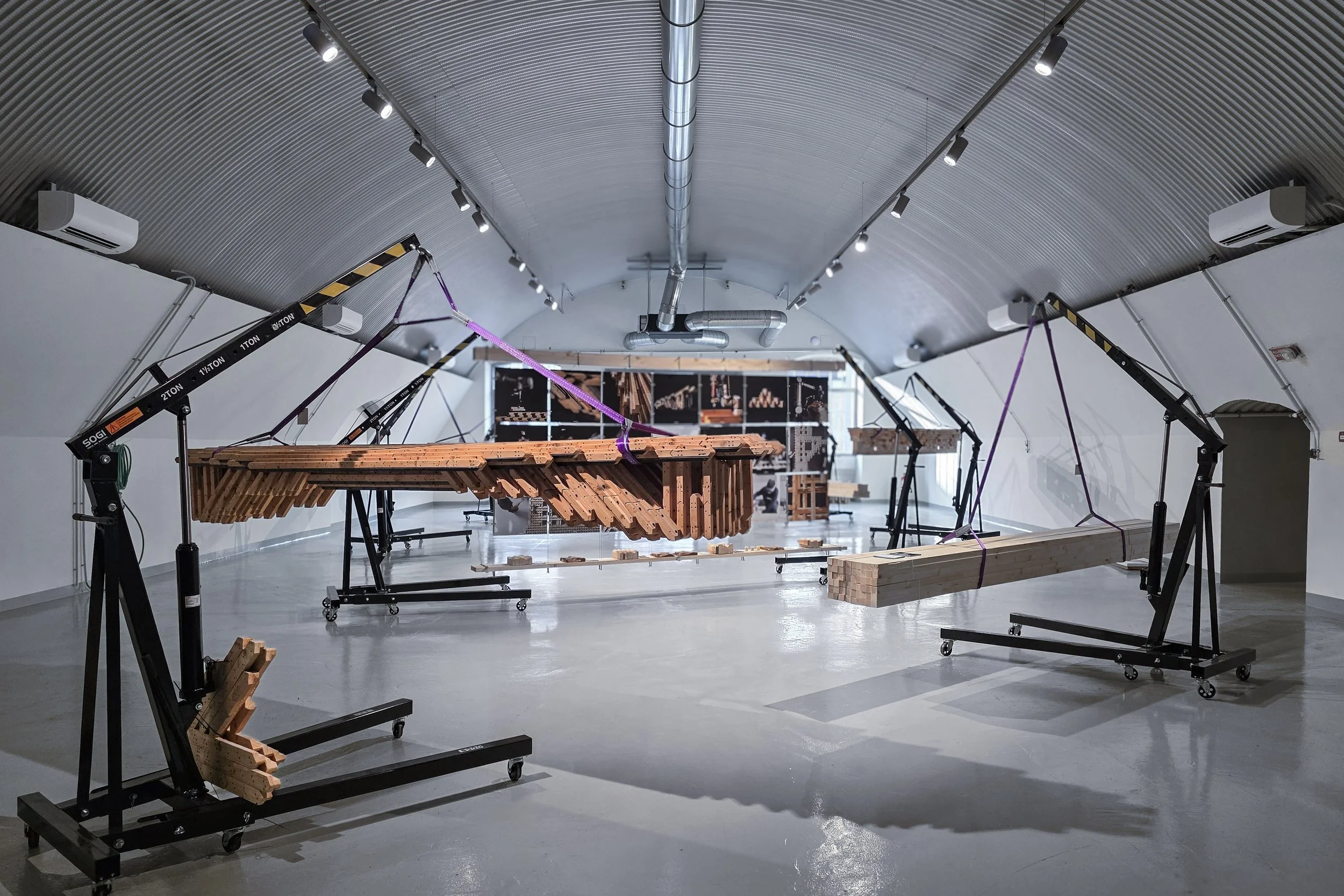
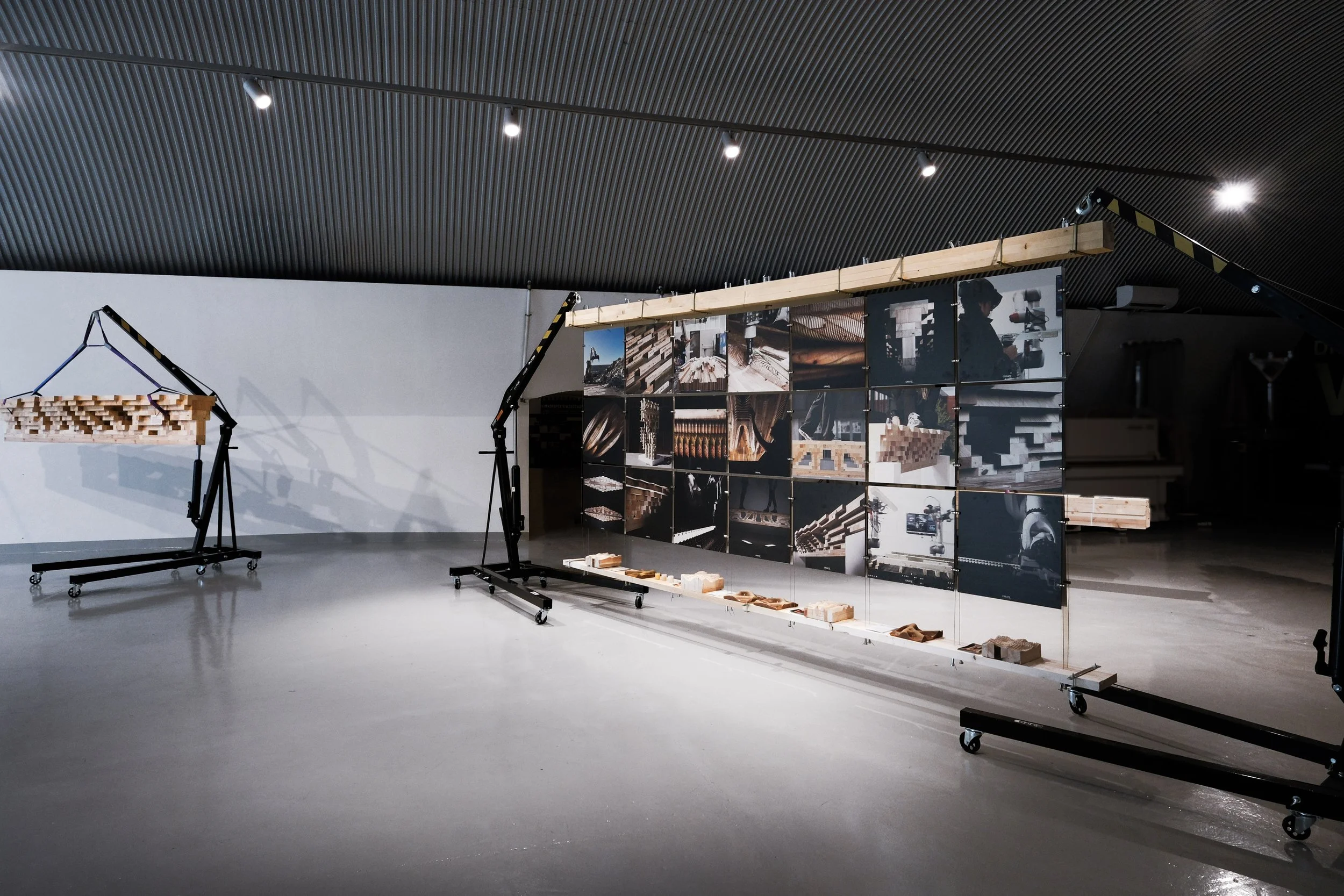
SDU CREATE, the Centre for Computational Research in Emergent Architectural Technology and Engineering at the University of Southern Denmark, presents Re:Programming Wood - Material Circulation through Data and Machines at Dropcity during Milan Design Week 2026.
The exhibition examines how computational design and robotic fabrication transform timber from a consumable resource into a programmable material system. As a renewable material and long-term carbon store, timber occupies a critical position in the transition of the built environment. Yet its use remains structured by a linear sequence of extraction, standardisation, assembly, and disposal, in which its carbon storage potential is terminated within short lifecycles.
The exhibition proposes an alternative regime in which material continuity is achieved through computation. Timber is not treated as a consumable input but as a material system that can be disassembled, recalculated, and reprocessed across successive lifecycles. In this framework, value is maintained through transformation rather than replacement.
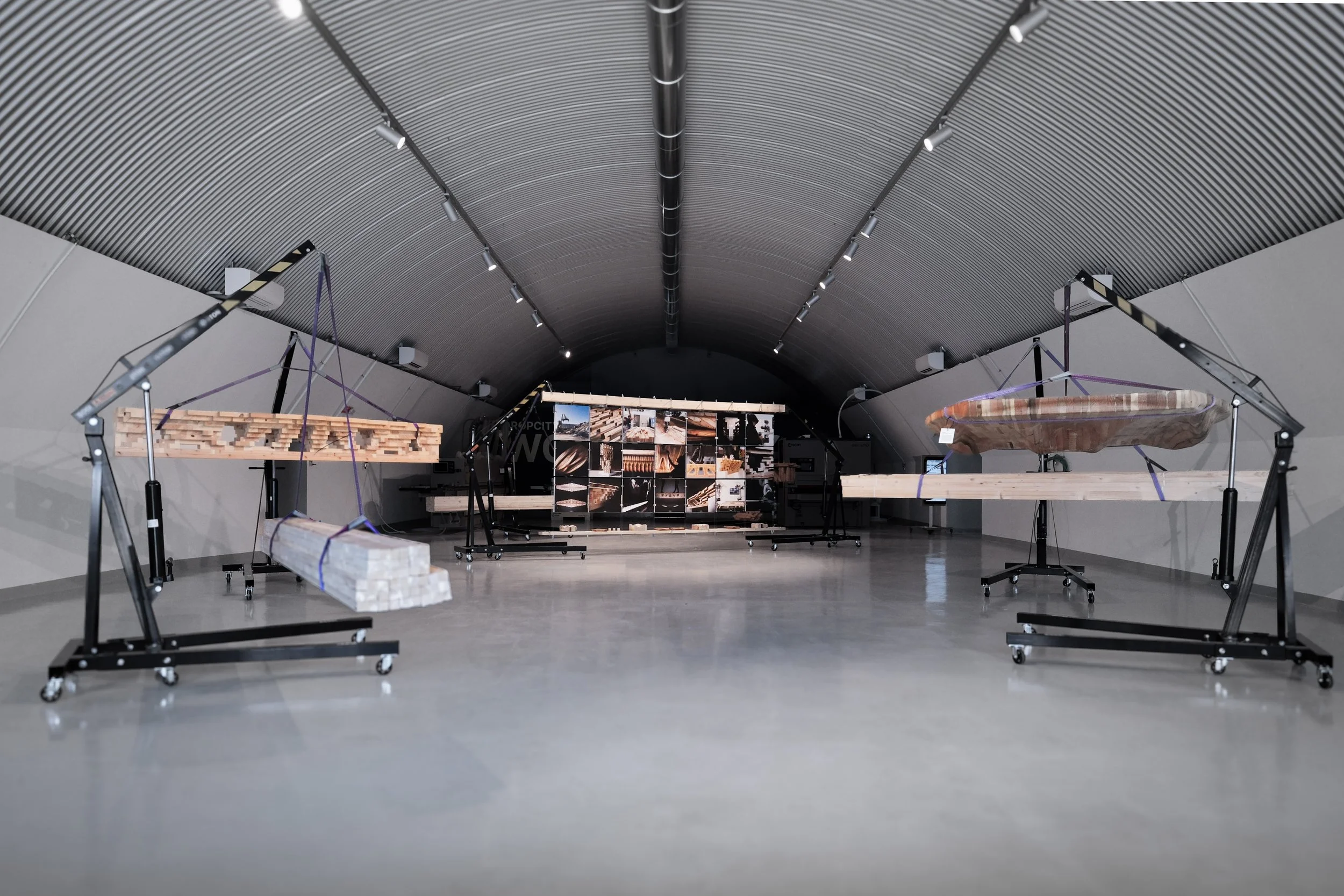
Through a series of research prototypes, the exhibition establishes digital circularity as an operative model. These prototypes operate as full-scale material systems, where timber is reprogrammed, reassembled, and redeployed through computational design and robotic fabrication, demonstrating material continuity at an architectural scale.
FROM EXTRACTION TO RECIRCULATION
The exhibition positions architecture between two regimes: one based on the extraction of virgin resources, and another structured around material recirculation across extended lifecycles. Circularity is embedded within design and fabrication logic, where material histories, future transformations, and machinic constraints are integral to architectural thinking. Value shifts from the production of new material to the capacity to reprocess and redeploy existing matter through computational systems.
THE “RE:” FRAMEWORK
The exhibition is structured through a set of machinic operations that define timber as a transformable material system. Rather than isolated acts of reuse, these operations establish a shift from static resource to programmable matter evolving across lifecycles.
Re:Configure - Timber is treated as a discrete system capable of reorganisation. Architectural form emerges through combinatorial logic, where elements are disassembled, reassigned, and recombined across successive configurations. Structure is defined by its capacity to change across lifecycles. This logic is demonstrated through R2TB and ReconWood, robotic reconfigurable timber systems designed for repeated assembly and disassembly, where structural performance is maintained across successive deployments.
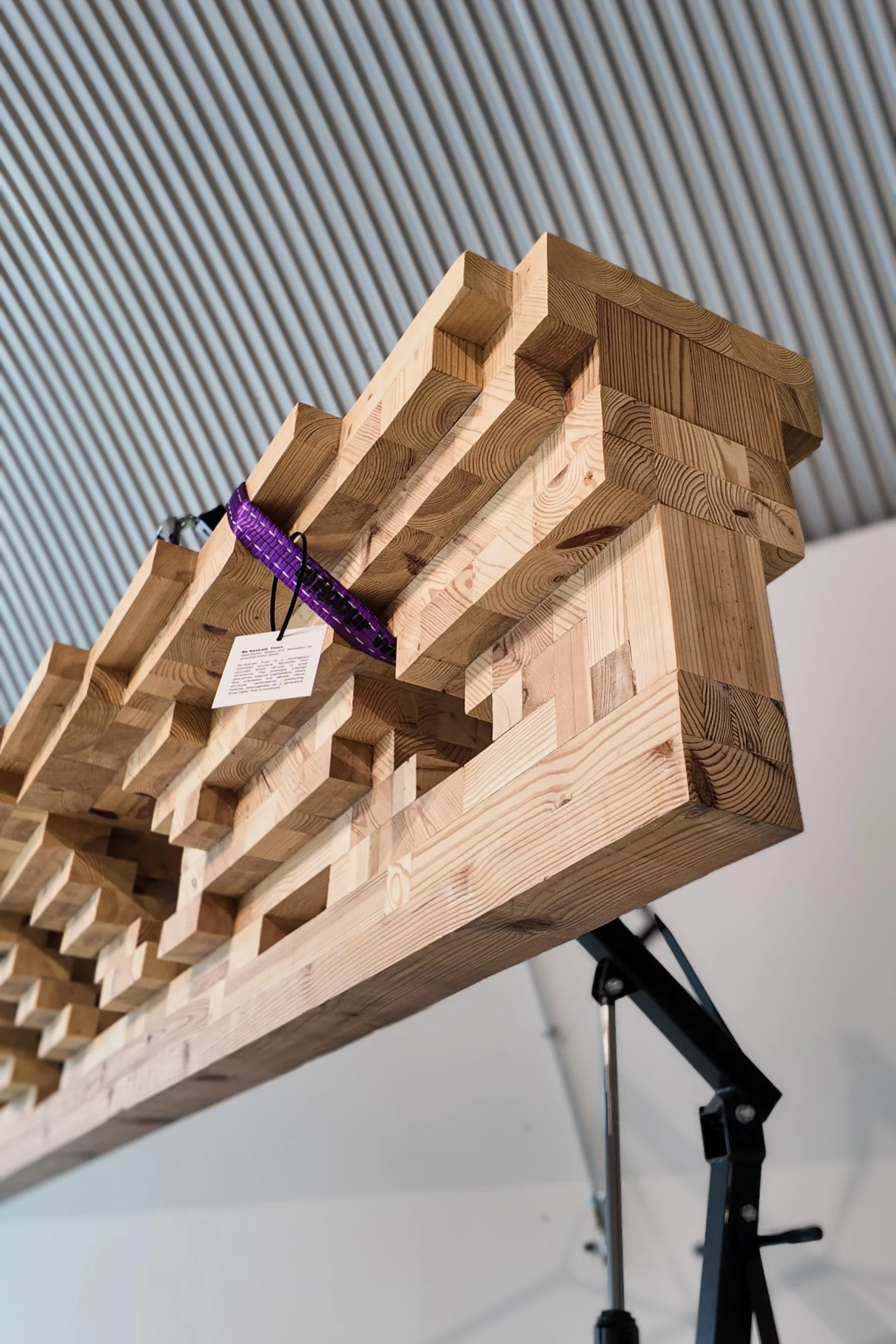
Re:Process - Timber is not standardised but computationally negotiated. Irregular, heterogeneous, and fragmented material informs geometry and structural performance through its interaction with computational logic. Reprocessing operates across both continuous and discrete fabrication regimes, enabling material to be transformed and upgraded across lifecycles. This approach is exemplified by Re:Bridge and Re-VoxLam Truss, where heterogeneous timber stock and short off-cuts are re-engineered into load-bearing systems through topological optimisation and discrete assembly methods.
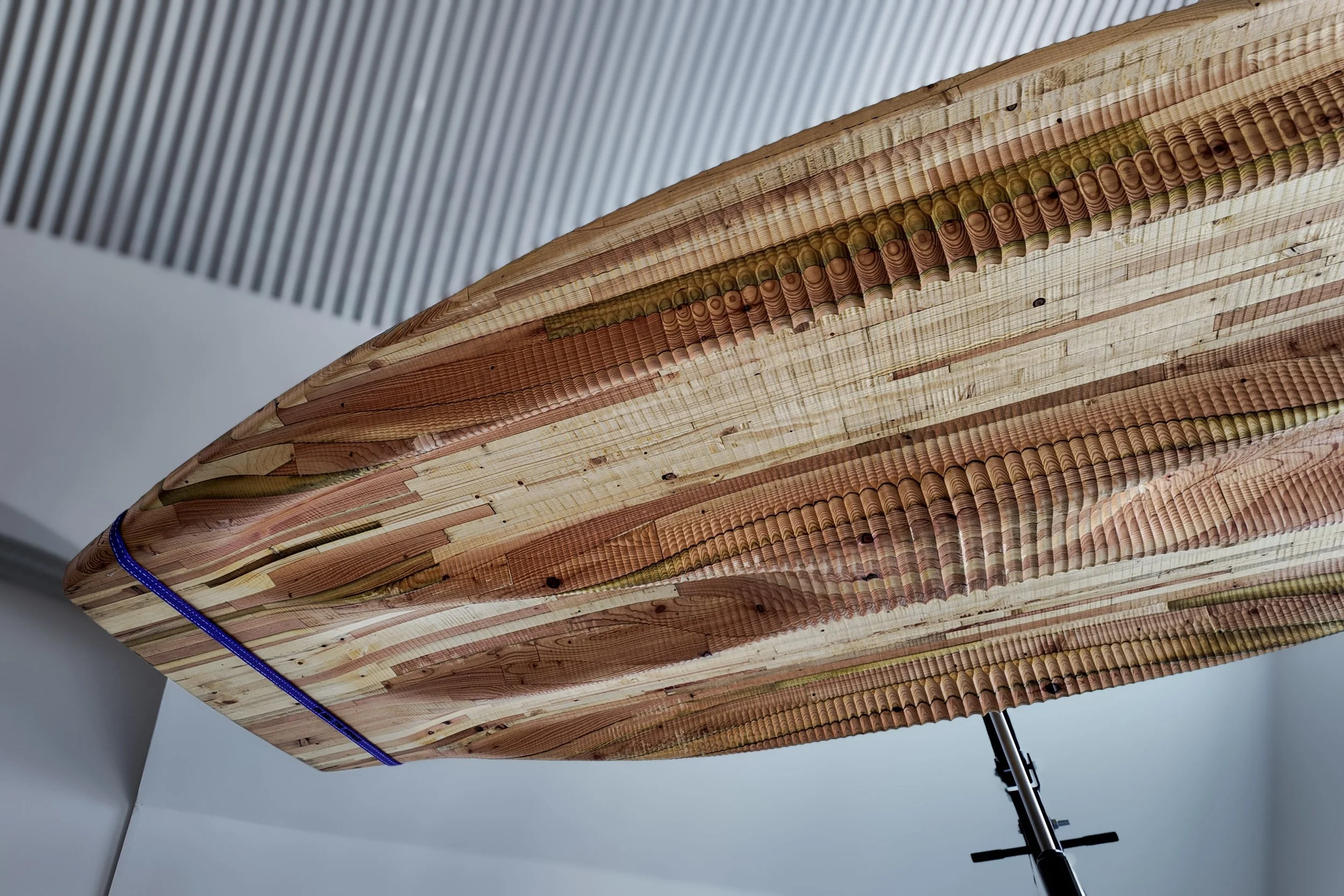
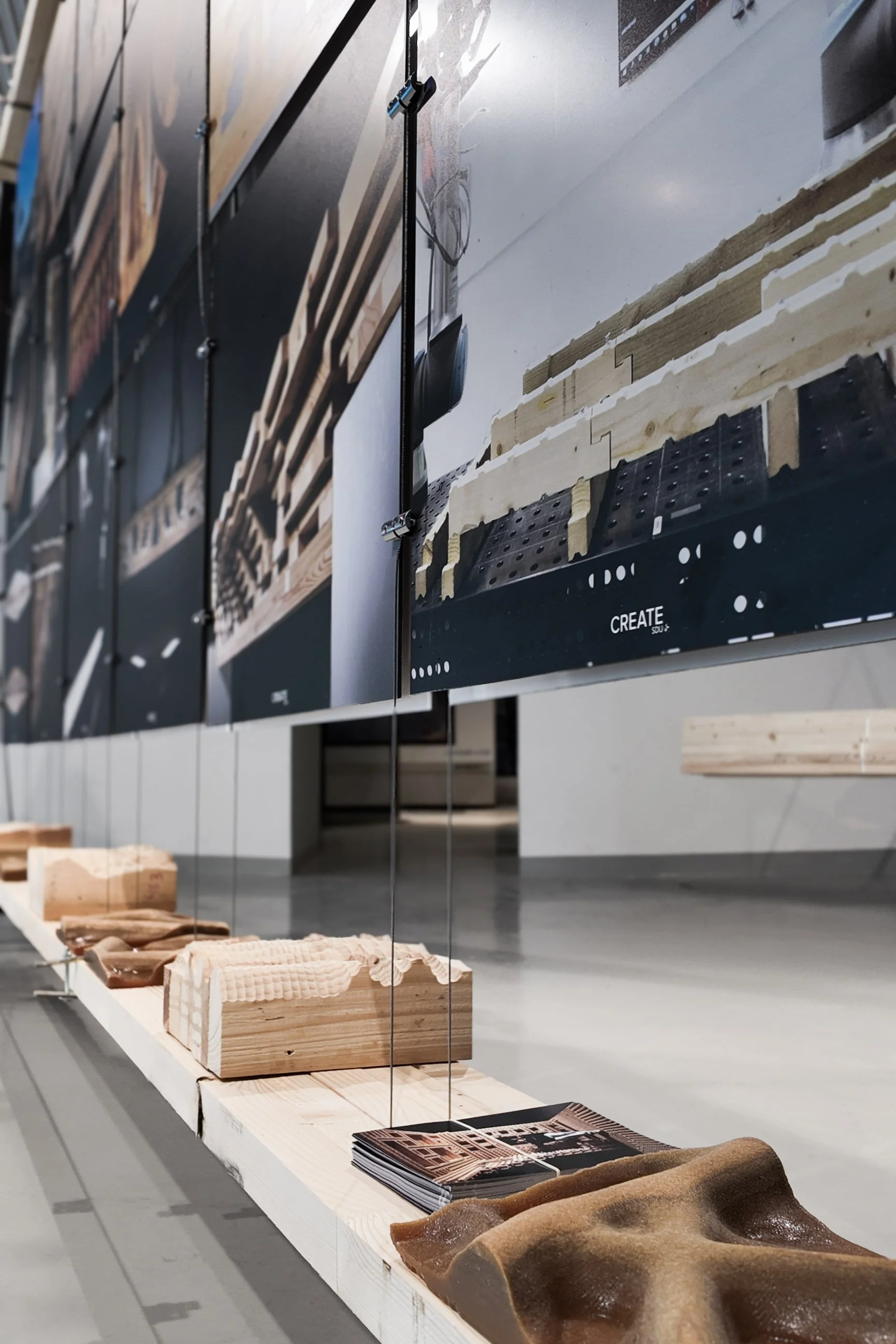
Re:Cycle - Production and processing residues, including sawdust, chips, and short fibres, are engineered into new composite systems, where material properties are no longer inherited but actively designed. Recycling enables material to re-enter architectural applications at new stages within extended lifecycles. This process is explored through Laygrade, a layer-graded composite material developed from sawdust and fine timber residues.
By translating laboratory research into spatial installations, Re:Programming Wood situates academic investigation within the cultural framework of Milan Design Week. Hosted at Dropcity - Milan’s emerging platform for experimental design and fabrication, the exhibition presents robotics and data-driven design as operative systems embedded in material practice.
RE:PROGRAMMING WOOD WORKSHOP
Monday 20th April - Friday 24th April: 17 to 19h
Saturday 25th April - Sunday 26th April: 11 to 13h; 16-18h
Registration link: https://linktr.ee/dropcity.org
EXHIBITION CREDITS
Promoted by SDU CREATE, University of Southern Denmark - Led by Assoc. Prof. Dr. Roberto Naboni
Research, exhibition and workshop development: SDU CREATE - Anja Kunic, Roberto Naboni, Davide Angeletti, Alessandro Barra
Exhibition concept and spatial design: zarcola architetti in collaboration with SDU CREATE and Dropcity
Organised and hosted by: Dropcity Centre for Architecture and Design
Industrial partners and material support: Blue Phoenix, SCM